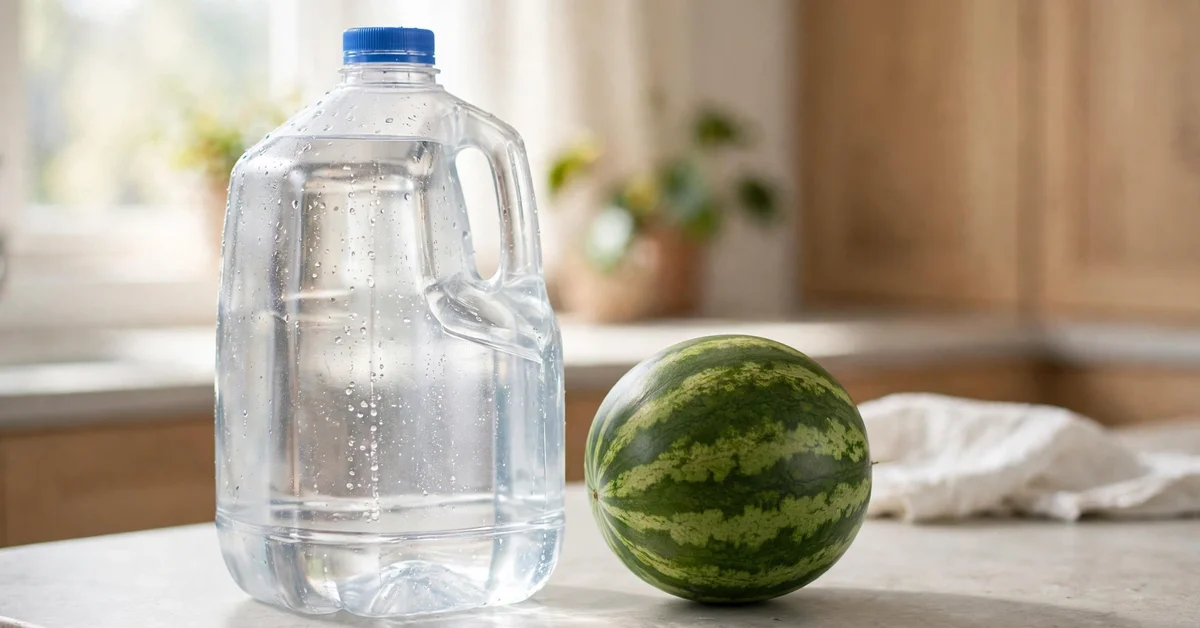
A parcel arrives, a recipe uses metric units, or a gym chart lists kilograms, and the same question pops up at once. 6kg is about 13.23 pounds. That answer makes how heavy is 6kg much easier to judge: it is a comfortable two-hand lift for most adults, lighter than a packed travel bag and heavier than a newborn baby in your arms. If you wonder how heavy is 6 kg in daily life, picture six full water bottles, a large house cat, or a small turkey waiting for the oven. This guide begins with the conversion, then uses familiar objects and simple checks so you can estimate the weight with calm confidence.
6kg Conversion Chart
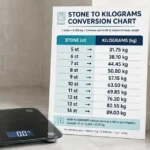
Different countries label weight in different ways, so this short chart places grams, ounces, pounds, and stone beside the kilogram value.
| Unit | Converted Value |
|---|---|
| Grams | 6,000 g |
| Kilograms | 6 kg |
| Ounces | ≈ 211.64 oz |
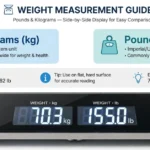
| Pounds | ≈ 13.23 lb |
| Stone | ≈ 0.94 stone |
Pounds will be the most useful unit for many readers in the United States, while grams help when a kitchen scale shows smaller steps.
How Heavy Is 6kg?
Picture carrying a grocery bag in each hand, with a few solid items in both bags and the handles pulling gently against your fingers. Six kilograms feels present and steady, yet it does not strain your shoulders during a short walk from a store to a car. You can lift it onto a counter, move it around a kitchen, or carry it up a flight of stairs with a brief pause and a good grip.
For a smaller comparison, this weight is clearly more than a gallon of milk, which is roughly 3.8 kilograms and feels light in one hand for most shoppers. For a larger comparison, it is well below a large dog or a heavy checked suitcase, both of which can be far harder to lift safely. Placing six kilograms between a milk jug and a big suitcase gives you a clear mental scale that works in stores, gyms, and kitchens alike.
You may meet this amount in a bag of pet supplies, a set of hand weights, a small turkey, or a parcel that needs postage. Parents see it on child seat labels, cooks see it in bulk recipes, and travelers see it when a bag limit is strict. Once the number is tied to water bottles, cats, and grocery bags, it stops feeling foreign and starts to feel like something your hands already understand from daily routines.
Easy Ways to Estimate 6kg in Everyday Life
- Count six water bottles: Six one-liter bottles filled with water weigh about six kilograms together, apart from a small amount for the caps and plastic.
- Hold two grocery bags: Picture two modest shopping bags with cans and jars inside, balanced one in each hand as you leave the store.
- Think of a large cat: Imagine lifting a big house cat with both arms and supporting its weight close to your body for a moment.
- Use hand weights: Pick up two three-kilogram dumbbells, one in each hand, and notice how the total feels steady but clear.
- Picture a small turkey: A bird sold at about thirteen pounds gives you a grocery store image that is very close to this amount.
- Weigh once, then remember: Place a bag on a bathroom scale, lift it right away, and let your arms store the feeling for next time.
Common Objects That Are About 6kg
| Object | Approximate Weight | Where You Might See It |
|---|---|---|
| Six liters of water | About 6 kg | Kitchens and camping supplies |
| Large house cat | About 6 kg | Homes and veterinary clinics |
| 13-pound bowling ball | About 5.9 kg | Bowling alleys and sports shops |
| Medium watermelon | About 6 kg | Farm stands and supermarkets |
| Packed gym bag | About 6 kg | Gyms, schools, and sports fields |
| Two house bricks | About 6 kg together | Gardens and building sites |
| Empty infant car seat | About 6 kg | Cars and baby stores |
| Small turkey | About 5.9 kg | Grocery stores and holiday kitchens |
More Everyday Items Around 6kg
| Object | Approximate Weight | Where You Might See It |
|---|---|---|
| Two 3kg dumbbells | About 6 kg together | Gyms and home workout corners |
| Large bag of cat litter | About 6 kg | Pet stores and utility rooms |
| Full 6-liter watering can | About 6 kg plus the can | Gardens and greenhouses |
| Six 1kg bags of sugar | About 6 kg together | Baking aisles and pantries |
| Medium potted plant | About 6 kg | Homes, porches, and offices |
| Stack of textbooks | About 6 kg | Schools, libraries, and desks |
| Small cooler with drinks | About 6 kg | Picnics, beaches, and road trips |
1. Six Liters of Water
Start with the simplest math in this guide: six liters of water weigh about six kilograms before you count the bottles that hold them. Fill six one-liter bottles, stand them in a line, and then imagine gathering them into a single tote for one lift. The weight pulls evenly and does not shift much, which makes it a calm and steady reference. Cooks, campers, and teachers return to water again and again because it links liters and kilograms in a way anyone can test at home.
2. Large House Cat
A large house cat can bring this number to life in a warm and familiar way for pet owners. Bigger cats may weigh around six kilograms, though breed, age, and daily habits mean no two animals match exactly. Lift one gently with both hands under its body and you will feel a soft load that moves and settles against you. That shifting weight feels different from a bag of sugar, and the contrast helps you remember that shape and movement matter too.
3. 13-Pound Bowling Ball
At a bowling alley, a 13-pound bowling ball is about 5.9 kilograms, so it sits just under the full amount in a neat round form. It feels dense because the weight is packed into a small ball that you grip with only a few fingers. Most adults lift it without trouble, yet holding it away from the body gets hard in seconds. That lesson travels well, since compact loads often feel heavier than softer bags of the same weight.
4. Medium Watermelon
Summer shopping offers a medium watermelon as a round, green guide that many families know by feel. A melon of this size can weigh about six kilograms, although the patch produces plenty of lighter and heavier fruit each season. You tend to cradle it with both arms because its smooth rind gives your hands little to hold. Carry one from a market stall to a car once, and the memory will serve you whenever a label uses kilograms.
5. Packed Gym Bag
After a workout, a packed gym bag with shoes, a towel, a water bottle, and a change of clothes can reach about six kilograms in many daily routines. It swings a little as you walk, and the strap reminds your shoulder that the load is real but manageable. One person may pack lighter and another may add a laptop, so treat this as a friendly guide rather than a fixed rule. Still, that walk to the car teaches the weight nicely.
6. Two House Bricks
In a garden or on a building site, two house bricks together often land near six kilograms, depending on their size and what they are made from. Each brick feels solid and rough in one hand, and the pair together ask for a firm two-hand grip. Because the weight is hard and compact, it can feel more serious than a soft bag at the same level. Builders judge this sort of load by feel every day, and a careful lift shows why.
7. Empty Infant Car Seat
Parents may know this amount as an empty infant car seat, since many carrier style seats weigh around six kilograms before a baby is placed inside. The wide shell and handle make it feel bulky, so you carry it close and watch your step on stairs and curbs. Designs vary by brand and safety features, which is why the label on each seat matters. Even so, that daily lift from house to car gives many parents a clear memory of the weight.
8. Small Turkey
A small turkey sold at about thirteen pounds is roughly 5.9 kilograms, making it a handy seasonal image for shoppers in the United States. You lift it from a freezer case with both hands and feel the cold, solid shape settle into the cart. Families who cook for a small group often choose a bird in this range, so the comparison is practical as well as memorable. Once you have carried one to a checkout, the weight becomes easy to recall.
9. Two 3kg Dumbbells
Few references are as exact as two 3kg dumbbells, one held in each hand during a simple exercise or a walk across the room. Together they make six kilograms, split evenly so your body feels balanced from side to side. That symmetry can make the load feel easier than a single awkward object, even though the scale would read the same. Gym users build this kind of body memory over time, which is why weights make such clear teaching tools for metric units.
10. Large Bag of Cat Litter
Pet aisles offer a large bag of cat litter in sizes that often sit near six kilograms for the smaller large bags on the shelf. The contents shift a little as you tilt the bag, so most shoppers hug it close or place it in a cart right away. It is dense, soft sided, and easy to grip by the top, which gives it a different feel from a hard dumbbell. Cat owners repeat this lift often and know it well.
11. Full 6-Liter Watering Can
Out in the garden, a full 6-liter watering can holds about six kilograms of water, with a little extra added by the can itself. At the first plant, the handle feels firm in your hand and your arm stays close to your side. By the final rose bush, the can is light and swings freely, so you feel the weight leave step by step. That slow change makes watering a quiet lesson in how loads feel over time.
12. Six 1kg Bags of Sugar
Bakers can picture six 1kg bags of sugar standing in a neat row before they go into a pantry or a mixing bowl. One bag feels modest, but all six in a tote make a load that pulls the handle down and asks for two hands. This step-by-step image works well for children, who can count each kilogram as it is added. It also helps when a large recipe lists sugar by weight and the number needs a home reference.
13. Medium Potted Plant
A medium potted plant can weigh about six kilograms when its soil is damp and its pot is made of clay or ceramic. Moving it from a sunny porch to a safe spot before a storm takes care, since the leaves hide your view of your feet. The load feels uneven because the pot is wide and the plant leans as you walk. Gardeners learn to hug such pots close, and that careful carry reveals how balance shapes effort.
14. Stack of Textbooks
Students know the steady pull of a stack of textbooks carried between classes or packed into a box at the end of term. About six solid books can land near six kilograms, though page counts and hardcovers change the total from one stack to another. The edges press into your arms and the pile feels calm when it is balanced, then awkward the moment it starts to slide. That school day memory makes the metric amount feel personal and easy to picture.
15. Small Cooler With Drinks
On a picnic day, a small cooler with drinks and a little ice can reach about six kilograms before sandwiches and fruit are even added. You lift it by two handles or one strong grip, feel the cans settle inside, and set it down gladly at the blanket. Its boxy shape spreads the load in a friendly way, which is why it can feel easier than bricks. It ends our list with a cheerful, outdoor picture of the weight.
Frequently Asked Questions
How heavy is 6kg in pounds?
6kg is about 13.23 pounds. That is close to a thirteen pound bowling ball or a small turkey from the grocery store.
Is 6kg heavy to carry?
For most healthy adults, 6kg is a moderate load that is fine for short trips with a good grip. It can feel tiring on long stairs or when the object is wide, hard to hold, or far from your body.
How much is 6kg in stone?
6kg is about 0.94 stone, which is just under one stone. Since one stone is fourteen pounds, this amount falls a little short of that mark.
What weighs about 6kg at home?
Six full one-liter water bottles, a large house cat, and a small cooler with drinks can all come close. Water bottles give the easiest home check because the math is so direct.
Final Thoughts
Six kilograms becomes friendly once you stop seeing it as a foreign label and start seeing it as a pair of grocery bags, a cat in your arms, or a set of hand weights at the gym. It is heavy enough to respect, light enough for most adults to move with care, and common enough to appear in kitchens, pet stores, parcels, and school bags every week. That is the heart of learning how heavy is 6kg through real objects rather than a lone decimal on a screen. Keep the thirteen pound shortcut in mind, picture six water bottles when you need a fast check, and let your hands confirm what your eyes have learned.

I’m Elena Cross, a content writer at MeasuresIt.com, where I turn complex measures, units, and mathematical concepts into clear, accurate, and easy-to-read articles. I’m passionate about precision in numbers and in words and I write to help readers actually understand measurements, not just memorize them.