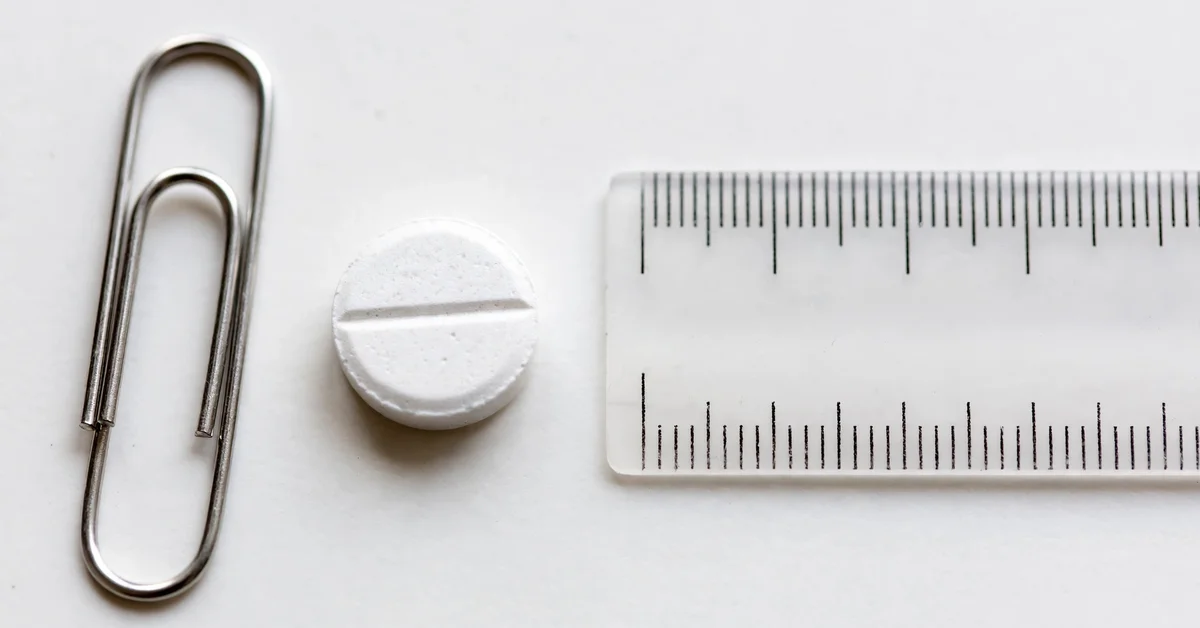
Have you ever checked a measurement written in centimeters and wished a ruler in inches would explain it? 2cm is about 0.79 inches long. That is roughly the width of an adult thumbnail, so how long is 2cm becomes easy to picture once you look at your own hand. In other words, how long is 2 cm in everyday terms? It is not a long line at all, just a short gap, a small button, or the diameter of a penny-sized circle. Use this guide when a craft pattern, a school worksheet, a seed packet, or a product listing gives you centimeters first. You will see the conversion, compare familiar objects, and learn quick checks you can do without a ruler in your pocket right away today.
2cm Conversion Chart
Before you compare objects, it helps to see the same length in the units you are most likely to meet at school, at home, and at work.
| Unit | Converted Value |
|---|---|
| Millimeters | 20 mm |
| Centimeters | 2 cm |
| Inches | ≈ 0.79 in |
| Feet | ≈ 0.07 ft |
| Yards | ≈ 0.02 yd |
| Meters | ≈ 0.02 m |
The inch value is the one most readers in the United States will use from day to day, while millimeters are handy when a chart uses very small steps.
How Long Is 2cm?
Picture the top joint of your thumb resting on a desk. The width across your nail is, for many adults, close to this size. It is a length you can cover with one fingertip, and it disappears quickly when you place it next to a phone, a notebook, or even a standard envelope. That small scale is exactly why a direct visual cue works better than a decimal alone.
For a smaller comparison, 2cm is clearly longer than a sesame seed or the lead point of a sharpened pencil. Those tiny references would fit inside the span several times over. For a larger comparison, it is shorter than a standard paperclip stretched out in a line, and it is well short of a credit card edge. Seeing it between a seed and a paperclip gives your eye a useful lower and upper boundary.
In daily life, this size turns up in seed spacing, button widths, small jewelry, sticker designs, and the margins on printed forms. You might be asked to leave a 2cm gap, cut a 2cm strip, or check that a tiny part is not wider than this amount. Once you link the number to coins, nails, fruit, and other familiar items, the task becomes far less abstract and much quicker to judge by eye.
Easy Ways to Estimate 2cm in Everyday Life
- Check your thumbnail: Look across the widest part of your thumbnail and use it as a rough, always-with-you guide for about two centimeters.
- Find a penny: Hold a U.S. penny flat and picture its diameter, which is just a touch under this length.
- Use the inch shortcut: Picture one inch, then take away roughly one fifth, leaving a shorter span that is close to 0.79 inches.
- Count ruler marks: On a metric ruler, count two numbered centimeter steps from zero, or twenty tiny millimeter lines in a row.
- Compare a button: Look for a large coat button in a sewing box and compare its width with the gap or part you need to check.
- Stack your judgment: When no ruler is nearby, compare two different objects from this guide so one quick guess can support the other.
Common Objects That Are About 2cm
| Object | Approximate Length | Where You Might See It |
|---|---|---|
| U.S. penny | About 1.91 cm across | Pockets, purses, and cash drawers |
| Coat button | About 2 cm across | Winter coats and sewing kits |
| Adult thumbnail | About 2 cm wide | Your own hand |
| Sugar cube | About 2 cm on a side | Kitchens and coffee stations |
| Small grape | About 2 cm across | Fruit bowls and lunch boxes |
| Large blueberry | About 2 cm across | Berry punnets and breakfast bowls |
| Postage stamp | About 2 cm on the short side | Envelopes and stamp booklets |
| Large game die | About 2 cm on a side | Board games and classrooms |
More Everyday Items Around 2cm
| Object | Approximate Length | Where You Might See It |
|---|---|---|
| Jelly bean | About 2 cm long | Candy jars and party bowls |
| Whole almond | About 2 cm long | Snack mixes and baking supplies |
| Acorn | About 2 cm long | Parks, yards, and woodland paths |
| Small cherry tomato | About 2 cm across | Salads and grocery produce aisles |
| USB flash drive | About 2 cm wide | Desks, laptops, and school bags |
| Index fingertip | About 2 cm wide | Your own hand |
| Small key ring | About 2 cm across | House keys and car keys |
1. U.S. Penny
Reach for a U.S. penny when you want one of the quickest visual checks available. Its diameter is about 1.91 centimeters, so it is just slightly smaller than the full span you are trying to picture. Hold the coin flat between your fingers and notice how little space it takes up on your palm. That neat circle explains why coin comparisons are so popular in classrooms and craft tutorials. If your gap looks a shade wider than a penny, you are already very close.
2. Coat Button
A large coat button offers a softer, more familiar kind of comparison because most people have handled one many times. Many winter coat buttons measure about two centimeters from one edge to the other, although fashion styles do vary a little. Lay one beside a printed line or a small part and the match is easy to read at a glance. Buttons also help when you are shopping for replacements, since sellers often list their sizes in millimeters or centimeters rather than inches.
3. Adult Thumbnail
Your own adult thumbnail may be the most convenient reference of all because it travels with you everywhere. For many adults, the nail is roughly two centimeters across at its widest point, making it a handy first guess before you search for a ruler. It will not be exact for every hand, of course, and that is why this guide pairs it with coins and fruit. Still, as a fast estimate during shopping, gardening, or homework, it works surprisingly well.
4. Sugar Cube
In the kitchen, a sugar cube turns an abstract number into something you can hold between two fingers. A typical cube is about two centimeters along one edge, though brands cut them in slightly different sizes. Set one on a counter and compare its straight side with a recipe instruction, a label, or a small baking decoration. Because the cube has clean corners, it shows both length and width clearly, which makes it more useful than a round object for some quick checks.
5. Small Grape
Look through a bunch and a small grape can give you a fresh, natural comparison in seconds. Many smaller grapes are about two centimeters across, while larger table grapes can run a little bigger, so choose one of the modest ones for this comparison. The round shape helps you picture diameter rather than a straight line, which is useful for beads, berries, and buttons. It is a gentle reminder that everyday measurements often rely on a close match, not perfection.
6. Large Blueberry
At breakfast, a large blueberry is a sweet example that children often remember right away. Most blueberries are smaller, but the biggest berries in a punnet can reach about two centimeters across. That makes them helpful when a recipe, a science activity, or a lunchbox task asks you to sort items by size. Hold one beside a penny and you will see how close the two references are. Few comparisons feel less like homework than a berry you can eat afterward.
7. Postage Stamp
A standard postage stamp brings a printed, rectangular reference into the picture, which some readers find easier than fruit or coins. Its short side is commonly around two centimeters, depending on the design and country of issue. Place a stamp on an envelope and that small edge gives you a quiet measuring line you can compare with stickers, labels, and return address boxes. Because stamps are thin and flat, they also sit neatly beside paper crafts without rolling away or casting much shadow.
8. Large Game Die
Game night provides another clear example in a large game die, especially the chunkier dice sold for board games and teaching activities. A 20 millimeter die has sides of about two centimeters, so each straight edge matches the length neatly. Roll one onto a table and it is easy to compare that edge with a gap in a puzzle, a toy part, or a printed worksheet line. The bold dots on its faces also make the size memorable for younger learners.
9. Jelly Bean
Sweet, bright, and easy to spot, a jelly bean is often about two centimeters from end to end. Its curved shape is not useful for drawing a straight line, but it is excellent for building a mental picture of a small length. Pour a few into a bowl and you will notice slight differences, which is a good lesson in why these examples are described as approximate. Choose a typical bean, not the longest one, and your estimate will land close.
10. Whole Almond
Pantry staples can help too, and a whole almond is a fine example because it is firm, flat enough to rest on a counter, and familiar to many cooks. A typical almond is roughly two centimeters long, tapering to a point at one end. That pointed tip makes it useful for picturing both a length and a narrow shape at the same time. Scatter a few beside a ruler once, and later you will recall the size without needing the ruler nearby.
11. Acorn
Outdoors, an acorn gives the number a seasonal, natural feel that sticks in the memory. Many acorns, not counting a long stem, are about two centimeters long, although oak species and growing conditions create plenty of variation. Pick one up on a walk and compare it with your thumbnail to build two references at once. This example is especially handy for nature journals, autumn crafts, and school projects where children collect and sort found objects by their size and shape.
12. Small Cherry Tomato
In the produce aisle, a small cherry tomato shows how this length appears in fresh food you may buy every week. The smallest cherry tomatoes are about two centimeters across, while many are larger and closer to a golf ball over time in the garden. For a fair comparison, pick one of the modest ones from the punnet and picture its round diameter. That image can help with portion guides, seed catalogs, and simple kitchen tasks where size affects cooking time.
13. USB Flash Drive
On a desk, the width of a typical USB flash drive is close to two centimeters on many common models, even though lengths vary a great deal by brand. That width is the part to picture here, not the full body of the drive. Think of plugging one into a laptop and how little horizontal space the connector area needs. For students and office workers, this modern object may be easier to recall than a coin, especially on days when cash stays unused.
14. Index Fingertip
Another built-in guide is your index fingertip, whose width near the first joint is, for many adults, close to two centimeters. Press it lightly on paper and the soft pad spreads a little, so use a relaxed touch for a fair picture. This reference is useful when you are reading instructions away from home and need a quick answer before buying string, tape, beads, or replacement parts. It is approximate, personal, and always available, which makes it a practical backup.
15. Small Key Ring
Finally, a small key ring gives you a metal circle that many households keep by the door. Small split rings are commonly sold in sizes around two centimeters across, though larger rings for many keys can be wider. Hold one flat and its diameter is easy to compare with buttons, coins, and small hardware in a drawer. Because it is sturdy and does not change shape, a key ring makes a reliable last check when you want a second opinion.
Frequently Asked Questions
How long is 2cm in inches?
2cm is about 0.79 inches. That is a little less than one full inch, so picture an inch and then make it roughly one fifth shorter.
Is 2cm longer than an inch?
No, 2cm is shorter than an inch. One inch equals 2.54 centimeters, so 2cm falls short of that mark by a small but visible amount.
How do I find 2cm on a ruler?
Start at zero and count two numbered centimeter marks. If your ruler shows millimeters, you can also count twenty of the smallest marks to reach the same point.
What everyday object is closest to 2cm?
A U.S. penny is one of the closest common references at about 1.91 centimeters across. A large coat button or an adult thumbnail can also give you a quick, close estimate.
Final Thoughts
Two centimeters can sound abstract until you give it a shape, a weight in the hand, and a place on the table in front of you. A penny, a button, a berry, or the width of your own thumbnail can turn that small number into a picture you will remember the next time a pattern, worksheet, or product page uses metric units. That is the real value of learning how long is 2cm through objects rather than decimals alone. Keep the inch shortcut in mind as well, because 0.79 inches lets you move between systems without pausing your project. With a little practice, you will spot this modest length in kitchens, classrooms, gardens, and sewing boxes, and you will estimate it with calm confidence.

I’m Marcus Kane, a measurement content specialist at MeasuresIt.com. I write clear, accurate, and practical articles about measurements, dimensions, conversions, and everyday size comparisons, making complex topics simple and easy to understand.