You are halfway through mixing batter when the recipe switches units on you. 5 fluid ounces equals 0.625 cup — that is 5/8 cup, or about 148 milliliters. If you have been searching 5oz to cups before your batter sits too long, that single number is the one to remember. The same amount written as 5oz to cup in short notes is still a volume measure here, not a weight. In this guide you will find a clear chart, familiar drink and kitchen comparisons, and simple ways to judge the amount with spoons and glasses you already own. By the end, you will be able to pour, spoon, or eyeball roughly five ounces with confidence, even when no measuring cup is in reach.
5 Oz to Cups Conversion Chart
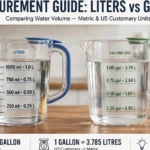
Use this chart when you need the same amount in the units on your jug, spoons, or bottle markings. All values start from 5 fluid ounces.
| Unit | Converted Value |
|---|---|
| Teaspoons | ≈ 30 tsp |
| Tablespoons | ≈ 10 tbsp |
| Fluid ounces | 5 fl oz |
| Cups | ≈ 0.63 cup |
| Pints | ≈ 0.31 pt |
| Quarts | ≈ 0.16 qt |
| Gallons | ≈ 0.04 gal |
| Milliliters | ≈ 147.87 ml |
| Liters | ≈ 0.15 L |
A quick way to use the chart is to think in spoons first. Ten level tablespoons fill a small glass surprisingly fast, and thirty teaspoons help when you are adding liquid a little at a time to a sauce or dressing.
Common Objects That Are About 5 Oz
| Item | Approximate Volume |
|---|---|
| A standard wine pour | About 5 fl oz |
| A small cappuccino | About 5 fl oz |
| A single-serve yogurt pot | About 5 fl oz |
| A baby bottle filled to the 5 oz line | 5 fl oz |
| Ten tablespoons of milk | 5 fl oz |
| A small glass of orange juice | About 5 fl oz |
| A 6-ounce ramekin almost full of soup | About 5 fl oz served |
| Half a large mug of tea | About 5 fl oz |
More Everyday Items Around 5 Oz
| Item | Approximate Volume |
|---|---|
| A small can of tomato juice | About 5.5 fl oz |
| A large baby-food pouch | About 5 fl oz |
| A bottled yogurt drink | About 5 fl oz |
| Two-thirds of a half-pint milk carton, poured | About 5 fl oz |
| Thirty teaspoons of cooking oil | 5 fl oz |
| A family-size tube of toothpaste, by volume | About 5 fl oz |
| A small bowl of gravy, ladled to serve | About 5 fl oz |
How Much Is 5 Oz?
Picture a short juice glass filled to a comfortable drinking level, not brimmed to the top. That is the neighborhood of five fluid ounces. It looks modest next to a tall water glass, yet it is more than a quick sip. In the kitchen it is the amount that can thin a batter, loosen a sauce, or turn dry oats into a creamy bowl after a few minutes of soaking.
For a smaller reference, think of an espresso cup. A single espresso with its foam takes up only part of that small cup, roughly two to three ounces in many cafés. Five ounces is about double that dainty serving, so imagine two modest espresso servings poured together into one slightly larger cup. The jump feels clear when you hold both sizes side by side at breakfast.
For a larger reference, bring to mind a standard soda can or a big breakfast mug. The can holds about twelve ounces and the mug often holds ten to twelve, so five ounces sits a little below the halfway line on either one. If you pour a can of sparkling water into a mug, the fizz settling near the middle is roughly the amount this article is about.
Easy Ways to Estimate 5 Oz in Everyday Life
1. A Standard Wine Pour
Order a glass of wine with dinner and you are looking at the clearest picture of this amount. Restaurants commonly pour about five fluid ounces, leaving space above the liquid for aroma and swirling. The level usually sits near the widest part of the bowl, well below the rim. Pour water to that same curve at home and you have a handy guide for dressings, marinades, and drinks. It also helps you see why a bottle gives roughly five glasses, which makes party planning simpler.
2. A Small Cappuccino
Think of the warm cup set down at a café table, with steamed milk and a cap of foam reaching near the top. A small cappuccino is often made to about five fluid ounces in total, even when the ceramic cup itself could hold a little more. The drink feels generous without being heavy, and the saucer underneath makes the serving look neat. If you make coffee at home, filling a similar cup to the same relaxed level gives you a close match.
3. A Single-Serve Yogurt Pot
Peel back the foil lid on a single-serve yogurt pot and the contents inside are close to this measure. Many pots are made around one hundred fifty grams, which sits near five ounces by volume for a thick, creamy food. The spoon stands up for a second before tipping over, and the pot feels light but satisfying in your hand. Keeping one clean, empty pot by the sink gives you a reusable scoop for pancake batter, overnight oats, or a quick serving of soup.
4. A Baby Bottle Filled to the 5 Oz Line
Look at the numbers printed along the side of a baby bottle and the five line is easy to spot. Parents warm milk or formula to that mark for a regular feed, so the bottle is designed to make the amount obvious at a glance. The liquid reaches a little above the middle on many bottles, with room left for shaking and a nipple on top. Even if you never prepare a feed, that printed scale is one of the most honest measuring tools in a kitchen.
5. Ten Tablespoons of Milk
Count out ten level tablespoons of milk and watch a small glass slowly come to life. Each spoonful looks minor on its own, yet together they make a proper serving for cereal, scrambled eggs, or a creamy sauce. This spoon-by-spoon picture is useful when a recipe lists ounces and your jug is in the dishwasher. It also shows why a single extra spoon does not change much, while three or four missing spoons leave a sauce thicker than you planned.
6. A Small Glass of Orange Juice
Breakfast gives you another friendly reference in a short tumbler of orange juice. Poured to a comfortable level with a finger of space at the top, that glass holds roughly five fluid ounces. The juice looks bright and full, enough to drink alongside toast without needing a refill. Taller glasses can trick the eye, so the short, wide tumbler is the safer guide. Once you learn its level, you can pour similar amounts of iced tea or lemonade with confidence.
7. A 6-Ounce Ramekin Almost Full of Soup
Picture a sturdy ramekin of tomato soup with a spoon resting beside it. The dish itself may hold about six ounces to the brim, but a sensible serving leaves a small gap so the soup does not spill. That served amount lands near five fluid ounces. Ramekins are handy for portions because their straight sides make levels easy to compare from one meal to the next. Use one for custard, baked eggs, or a side of peas when you want neat, repeatable servings.
8. Half a Large Mug of Tea
Wrap your hands around a large mug of tea and drink it down to the middle. What remains, or what you poured to reach the middle in the first place, is about five fluid ounces in a ten-ounce mug. Tea makes the line easy to judge because the color shows clearly against a pale mug interior. This halfway picture works for coffee and hot chocolate too, and it is often the fastest estimate when you are making a sauce that calls for stock.
9. A Small Can of Tomato Juice
Chilled tomato juice often comes in a small can that is just a touch above this measure, at about five and a half fluid ounces. Pour most of the can into a glass and stop before the last splash, and you are essentially there. The rich, savory drink is a good reminder that five ounces can feel like a real serving, not a taste. Keep the can size in mind for soups and sauces that start with juice as a base.
10. A Large Baby-Food Pouch
Squeeze a large baby-food pouch and the smooth fruit or vegetable blend inside is close to five ounces. These pouches are made to be a single, filling serving, with a spout that lets you see how much is left as it empties. The pouch feels soft and slightly heavy for its size, similar to a small yogurt pot. For cooks, it is a reminder that a pouch-sized amount is enough to sweeten a smoothie or stir through warm porridge.
11. A Bottled Yogurt Drink
Shake a bottled yogurt drink and listen to the liquid move inside. Many of these bottles are made around one hundred fifty milliliters, which is about five fluid ounces. The drink coats the sides of the bottle and pours into a glass in a slow, creamy stream. It makes a filling snack on its own, which shows how substantial this volume can be. If you use the empty bottle for water later, you have a pocket-size measure for dressings.
12. Two-Thirds of a Half-Pint Milk Carton, Poured
Start with a half-pint milk carton, which holds eight fluid ounces, and pour out a generous two-thirds into a jug. The amount left in your jug is about five fluid ounces, ready for mashed potatoes or a white sauce. School and café cartons make this easy to picture because their boxy shape is so familiar. Checking the carton afterward, with roughly a third remaining, gives you a quick visual check that your pour was in the right range.
13. Thirty Teaspoons of Cooking Oil
Measure thirty teaspoons of cooking oil and you will respect how small spoons add up. For a large batch of dressing or a marinade for a crowd, that spoon count reaches five fluid ounces. The oil pools glossy and light in the bowl, ready to whisk with vinegar and herbs. Most home cooks will not count all thirty for a weeknight meal, but the picture helps you judge bottled dressings. A quarter of a standard bottle is often close to this amount.
14. A Family-Size Tube of Toothpaste, by Volume
Hold a family-size tube of toothpaste and imagine its contents gathered in a glass instead of squeezed onto brushes. By volume, a large tube is often near five fluid ounces of paste. That is why one tube lasts a household for weeks of small, pea-sized ribbons. The comparison sounds odd at first, yet it sticks in the mind. Next time you hold the tube, you will have a surprisingly reliable sense of the volume for sauces and batters.
15. A Small Bowl of Gravy, Ladled to Serve
Ladle gravy into a small serving bowl for a roast dinner and you will land near this amount for a table of a few people. About five fluid ounces gives everyone a generous spoonful or two over potatoes and meat, with a little left for seconds. The gravy shines under the light and pours in a steady ribbon. Noticing that bowl size helps at holidays, when making too little gravy is the mistake nobody wants to repeat.
Frequently Asked Questions
Is 5 oz half a cup?
No. Half a cup is 4 fluid ounces, so 5 ounces is a little more than half a cup. The exact amount is 0.625 cup, which is 5/8 cup. If a recipe needs half a cup and you pour 5 ounces, your result will be slightly wetter. For most soups and batters that small extra splash is fine, but for baking it is better to remove one tablespoon to get closer.
How many tablespoons are in 5 oz?
There are 10 tablespoons in 5 fluid ounces, because each fluid ounce equals 2 tablespoons. There are also 30 teaspoons in the same amount. Spoons are helpful when your measuring cup is missing, but level each spoon for a fair result. Heaped spoons can add almost another ounce across ten spoonfuls, which is enough to change a dressing or a thin sauce.
How many milliliters is 5 oz?
Five fluid ounces is about 147.87 milliliters, which most people round to about 148 milliliters or simply 150 milliliters for home cooking. The small rounding makes no real difference in drinks, soups, or batters. If a bottle shows milliliters only, filling to the 150 line is a practical match. For medicine or baby feeding, follow the exact markings on the bottle or syringe instead of rounding.
Is 5 oz by weight the same as 5 fluid ounces?
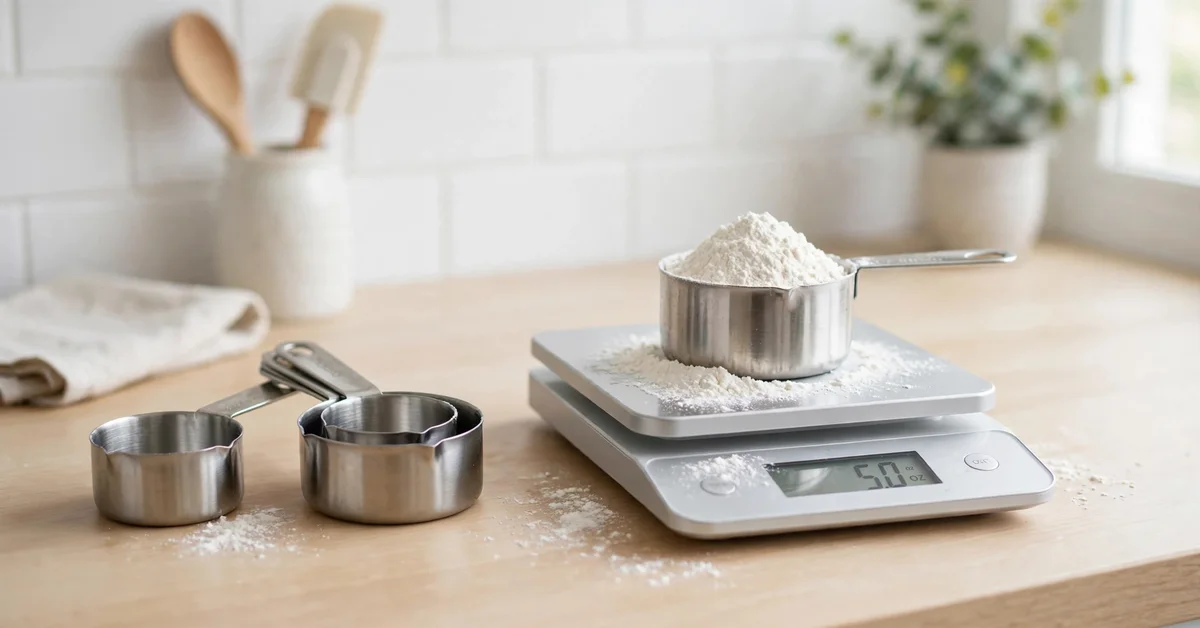
Not always. Fluid ounces measure volume, while ounces by weight measure mass. For water and milk the two are very close, which is why home cooks often treat them as the same. For flour, oil, or honey they differ, sometimes by a lot. This article uses fluid ounces for drinks and liquid ingredients. If your recipe lists ounces for a dry ingredient, use a kitchen scale for the best result.
Final Thoughts
Once you picture a wine pour, a small cappuccino, and half a large mug, five ounces stops feeling abstract. You know it is 0.625 cup, about 148 milliliters, ten tablespoons, and a short glass filled to a comfortable level. Keep those pictures in mind the next time a recipe changes units mid-step, and you will rarely need to stop and search. When a result truly matters, such as baby feeding or careful baking, confirm with bottle markings or a scale. For daily cooking, drinks, and sauces, your eye will soon judge the amount well. That is the real value of learning 5oz to cups through everyday objects: the number becomes a habit, not just a fact you looked up once and forgot by dinner.
- Count tablespoons: Spoon out ten level tablespoons of water, milk, or oil into a glass. The glass will hold about five fluid ounces, and counting spoons is easy when a jug has no clear markings.
- Use the wine-pour picture: Remember the level a restaurant pour reaches in a wine glass. Matching that familiar level in a tumbler gives you a close estimate without any special tools nearby.
- Halve a large mug: Fill a big ten-ounce mug with water, then judge the halfway line. Pouring to that line, or drinking down to it, leaves roughly five ounces to work with.
- Check bottle markings: Many baby bottles, shakers, and sports bottles carry ounce lines on the side. Filling to the five line is the most direct check you can make at home.
- Think in thirds of a can: A twelve-ounce can split into rough thirds gives you about four ounces per third. One third plus a generous splash gets you very close to five.
- Use a yogurt pot as a scoop: An empty single-serve pot rinsed and dried makes a handy scoop. One level pot of liquid is about five ounces for soups and batters.

Hi, I’m Vera Lindqvist, a content writer at MeasuresIt.com, where I turn measurement standards, unit conversions, and precision tools into clear, practical guides. I care about getting the details right so you don’t have to second-guess them.