How Big Is a Quart? Size in Cups, Pints & Liters
Introduction
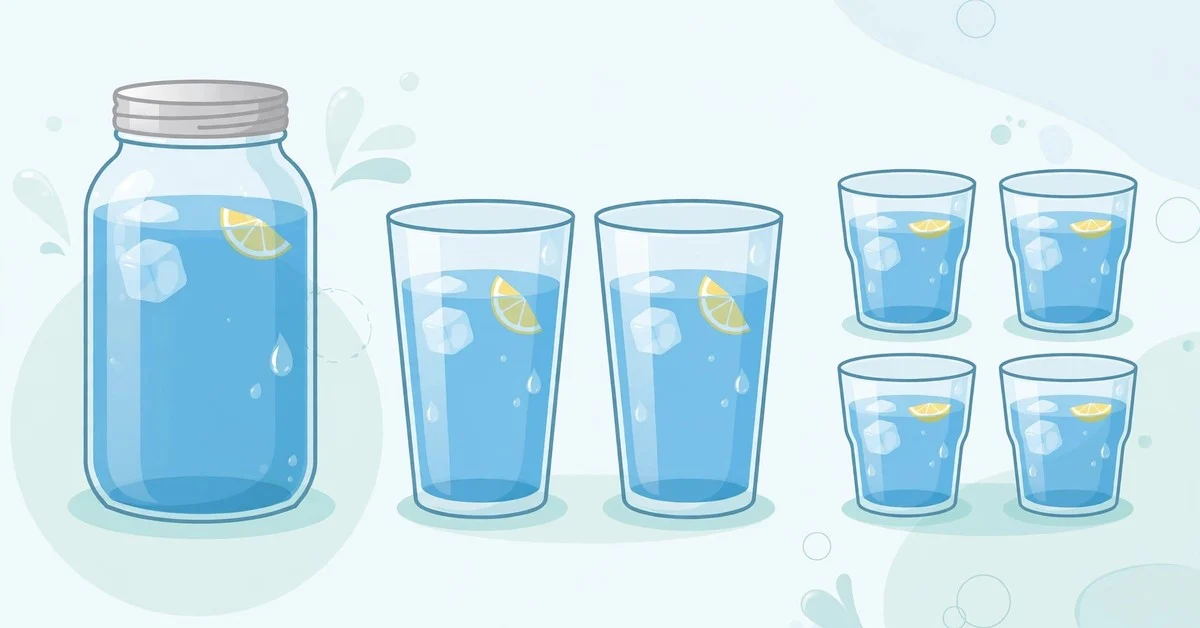
Grab a milk carton at the store and you are holding one of America’s most common measurements in your hand. A quart equals exactly 4 cups, 2 pints, or 32 fluid ounces — about 946 milliliters, which is just a little less than a liter. So how big is a quart? Picture that tall, narrow carton sitting in your fridge door: it pours roughly four big glasses of milk.
The quart turns up constantly in everyday life. Recipes call for a quart of chicken stock, hardware stores sell paint in quart cans, and your car’s engine drinks motor oil quart by quart. It sits right between a pint and a half-gallon, so it is easy to misjudge. This guide gives you a quick quart conversion chart, 15 familiar objects that hold about a quart, and simple tricks to estimate the size without any measuring tools.
Conversion Chart
A US quart is a fixed unit of liquid volume, so the math below is exact, not approximate. These are the conversions you will use most, from cooking to car maintenance.
| Unit | Equals 1 Quart |
|---|---|
| Cups | 4 |
| Pints | 2 |
| Fluid ounces | 32 |
| Tablespoons | 64 |
| Teaspoons | 192 |
| Milliliters | 946 |
| Liters | 0.95 |
| Gallons | 0.25 |
| Cubic inches | 57.75 |
One thing trips people up: a “cup” on a measuring cup is always 8 fluid ounces, but a coffee mug can hold 10 or 12. If you cook often, our full guide to how many cups in a quart walks through every cup conversion in detail. And since a quart is exactly one quarter of a gallon, you can see how it fits the bigger picture in our guide to how many ounces in a gallon.
Common Objects That Hold About a Quart
The items below all hold right around 32 fluid ounces. Some are built to measure exactly one quart, like the milk carton and the mason jar. Others simply come in 32-ounce sizes, which makes them perfect real-world references.
| Object | Approximate Volume | Where You See It |
|---|---|---|
| Quart-size milk carton | 1 qt (32 fl oz) | Dairy aisle, school cafeterias |
| 32-oz mason jar | 1 qt (32 fl oz) | Canning, meal prep, pantries |
| Takeout soup container | 32 fl oz | Delis, Chinese takeout, soup shops |
| 32-oz yogurt tub | 32 fl oz | Dairy case, bulk groceries |
| 1-quart motor oil bottle | 1 qt (32 fl oz) | Auto parts stores, garages |
| 32-oz sports water bottle | 32 fl oz | Gyms, hiking trails, offices |
| Quart paint can | 1 qt (32 fl oz) | Hardware and paint stores |
| 32-oz spray bottle | 32 fl oz | Cleaning supplies, garden centers |
More Everyday Items Around a Quart
The second set stretches a little. A couple of items are slightly smaller or larger, which actually helps: once you know what sits just under and just over a quart, you can judge the size with more confidence.
| Object | Approximate Volume | Where You See It |
|---|---|---|
| Small laundry detergent bottle | 32 fl oz | Laundry aisle |
| Dry quart box of berries | 1 dry qt | Farmers markets, produce stands |
| 1-liter water bottle | 33.8 fl oz | Convenience stores, vending machines |
| 750-ml wine bottle | 25.4 fl oz | Wine shops, restaurants |
| Half-gallon milk jug | 2 qt (64 fl oz) | Dairy aisle |
| 32-oz juice or coconut water carton | 32 fl oz | Grocery beverage aisle |
| Large fast-food drink cup | About 32 fl oz | Fast-food restaurants |
How Much Is a Quart?
A quart of liquid is more than you think until you hold it. Picture the tall gable-top milk carton: it stands noticeably taller than a coffee mug and feels solid and full in one hand. If you poured it out into standard coffee mugs, you would fill about three to four of them, depending on the mug.
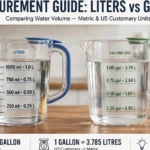
The quart also sits in a tidy spot inside the US customary system. Two pints make a quart, two quarts make a half-gallon, and four quarts make a gallon. A liter is close but not equal: a 1-liter bottle holds 33.8 fluid ounces, so it is about 2.8 ounces, or roughly 6 percent, larger than a US quart. For most cooking, the difference barely matters.
Here is a handy fact for estimating weight too. A quart of water weighs about 2.08 pounds, just over two pounds. So if a container of liquid feels a little heavier than a two-pound bag of sugar, you are probably looking at roughly a quart.
Easy ways to estimate a quart in everyday life:
- The milk carton test: Picture the standard quart carton from the dairy aisle. Any container close to that size holds about a quart.
- Two pints: Hold two pint glasses or two pint cartons side by side. Together they equal one quart.
- Four coffee mugs: Fill four standard 8-ounce coffee mugs. That is exactly a quart.
- The water bottle check: A 1-liter bottle is just a splash over a quart, so picture that bottle with the top inch missing.
- The two-pound rule: A quart of water weighs just over two pounds. Pick up the container and compare it to a two-pound bag of sugar.
- Your hands: A quart container is roughly the height of an adult hand, wrist to middle fingertip. If a jar is about that tall and three to four inches across, it is close to a quart.
1. Quart-Size Milk Carton
Walk down any dairy aisle and the gable-top carton is the single best picture of a quart. It is tall, narrow, and topped with that familiar folded peak you pinch open. Because the carton is manufactured to hold exactly 32 fluid ounces, it is not an estimate at all. Next time you are at the store, pick one up and study its shape: that height and heft is the quart you are trying to imagine. Schools and coffee shops buy milk in this exact size too. It is the reference point every other item on this list is judged against.
2. 32-Ounce Mason Jar
Home canners know this jar by heart. The standard quart mason jar holds exactly 32 fluid ounces, the same as the milk carton, but in a wide, round glass shape that looks very different. That contrast is useful. The same volume can be tall and skinny or short and stout, which is why volume confuses people. If you keep one in your pantry for flour, rice, or overnight oats, you already own a quart measuring tool. Fill it with water and you have a free, permanent reference for how much a quart really is.
3. Takeout Soup Container
Order soup to go and it usually arrives in a round plastic tub with a snap-on lid. Many delis and takeout spots use the 32-ounce size as their large, and that tub is a quart of soup, chili, or wonton broth. It feels generous in your hands, and now you know why: you are holding four full cups of liquid. The same container shows up at salad bars and Chinese restaurants. If you save and wash them, they double as handy quart measuring cups for the kitchen.
4. 32-Ounce Yogurt Tub
The big tub of plain yogurt in the dairy case is another perfect quart you probably buy without thinking. Brands like the large store-brand tubs sell exactly 32 ounces, which equals one quart. It is wider and shorter than the milk carton, so it can be surprising that both hold the same amount. That is the lesson of volume in one glance. Scoop the yogurt out for smoothies and dips over a week, and the empty tub works as a storage container with a built-in volume you already know.
5. 1-Quart Motor Oil Bottle
Pop the hood or walk the auto parts aisle and you will see oil sold in tall, narrow bottles marked as one quart. These are exact by law, since engines need precise oil levels. The bottle is shaped for pouring into a funnel, so it looks slimmer than a milk carton, but the volume inside is identical: 32 fluid ounces. Most cars need four to six of these bottles for a full oil change, which is another way to feel the size. Four quarts of oil, one gallon, is a lot of liquid to picture.
6. 32-Ounce Sports Water Bottle
The 32-ounce bottle is a gym-bag staple. Popular wide-mouth bottles are sized at exactly 32 fluid ounces, and hikers often plan their water around them. One full bottle is a quart, and health guides that suggest drinking a certain number of quarts a day become easy to track: each refill is one quart down. The bottle is taller and rounder than a milk carton, with measurement marks printed on the side. Those marks let you see the quart divided into cups, which is a nice bonus for learning the size.
7. Quart Paint Can
A small paint can at the hardware store is a quart of paint, sold for touch-ups, trim, and small furniture projects. It is short and wide, about half the height of a gallon can, and it holds exactly 32 fluid ounces of paint. One quart covers roughly 90 to 100 square feet with a single coat, which is about one small bedroom wall. If you have ever painted a room, you know the gallon can well; the quart is its little sibling, and now you can picture both side by side.
8. 32-Ounce Spray Bottle
Many household cleaners, garden sprays, and pet stain removers come in 32-ounce spray bottles. The long trigger top makes the bottle look bigger than it is, but the reservoir below holds one quart of liquid. Because these bottles are transparent or semi-transparent, you can watch the liquid level drop as you clean, which gives you a slow, real-time sense of how much a quart is. A full bottle feels weighty in the hand; an empty one feels like almost nothing. That difference is about two pounds of liquid.
9. Small Laundry Detergent Bottle
The smaller bottles of liquid laundry detergent in the laundry aisle are commonly sold in 32-ounce sizes. They are squat and heavy, with a built-in measuring cap on top, and they feel dense because detergent is thicker than water. A 32-ounce bottle usually promises around 20 to 25 loads, depending on the brand. Lifting one off the shelf is a good physical test of the quart: it is the same volume as the milk carton, but the shape and weight make it feel like a completely different object.
10. Dry Quart Box of Berries
Buy strawberries at a farmers market and they often come in a shallow wooden or cardboard box called a dry quart. Here is a twist worth knowing: a dry quart is a unit of volume too, but it measures about 67.2 cubic inches, a little larger than the 57.75 cubic inches of a liquid quart. The box is wide and flat, nothing like a milk carton, which shows how much shape can disguise volume. Fill that berry box with water and it would hold a bit more than a liquid quart.
11. 1-Liter Water Bottle
A standard 1-liter water bottle is the slightly-larger cousin of the quart. One liter holds 33.8 fluid ounces, so it beats the US quart by about 2.8 ounces, roughly a quarter of a cup. Side by side, the two are almost impossible to tell apart, which is exactly why the comparison helps. If you travel with a liter bottle, you already know the quart: just imagine it with the top inch poured off. For everyday purposes, liter and quart are near twins, but recipes and medicine doses should use the right one.
12. 750-Milliliter Wine Bottle
A regular wine bottle holds 750 milliliters, which converts to about 25.4 fluid ounces. That is roughly four-fifths of a quart, making it the slightly-smaller reference in this list. It is a helpful bookend: the quart is noticeably bigger than a wine bottle but smaller than a liter bottle. Wine bottles are tall and slim, so the volume hides in the height. If you have ever poured a bottle into a measuring cup while cooking, you may have noticed it falls short of the quart line by about six ounces.
13. Half-Gallon Milk Jug
Double a quart and you get a half-gallon, the big plastic jug that dominates the dairy case. It holds 64 fluid ounces, exactly two quarts. This is the slightly-larger reference that anchors the whole scale: one of those jugs equals two of the tall cartons sitting beside it. Many families buy milk in half-gallons, so you probably lift one every week. Cut that familiar jug in half in your mind and you are holding a quart. It is the fastest mental math on this list.
14. 32-Ounce Juice Carton
The tall cartons of orange juice, coconut water, or iced tea in the beverage aisle are frequently sold in 32-ounce sizes. They share the gable-top shape of the milk carton, so the visual match is direct: same silhouette, same quart of liquid. Coconut water brands in particular favor the quart size, and juice cartons often print the cup markings right on the side. If your fridge already holds one of these, you have a standing quart reference every time you open the door. Check the label and you will see 32 fluid ounces printed plainly.
15. Large Fast-Food Drink Cup
Order a large drink at many fast-food places and the cup in your hand holds about 32 ounces, a full quart of soda or iced tea. It feels like a lot, and it is: four cups of liquid with ice taking up some of the room. Sizes vary by chain, so this one is approximate rather than exact, but the big cup is a familiar quart most people have held. Next time you carry one to your car, remember you are carrying the same volume as a quart of milk, just in a wider, shorter shape.
Frequently Asked Questions
How many cups are in a quart?
There are exactly 4 US cups in 1 US quart. Since each cup is 8 fluid ounces, the math is simple: 4 times 8 equals 32 fluid ounces.
Is a quart the same as a liter?
No, but they are close. A liter holds 33.8 fluid ounces, while a US quart holds 32. The liter is about 6 percent larger. For casual cooking the difference rarely matters, but use the exact unit for baking, canning, or medicine.
How many ounces are in a quart?
A US liquid quart contains 32 fluid ounces. That is the same as 2 pints, 4 cups, or one quarter of a gallon.
What does a quart look like in real life?
Picture a standard milk carton from the grocery store: tall, narrow, with a folded peak on top. That carton holds exactly one quart. A 32-ounce mason jar or a large takeout soup container holds the same amount in a rounder shape.
Final Thoughts
So how big is a quart? It is the milk carton in your fridge door: four cups of liquid, light enough to lift with one hand. Grab a 32-ounce bottle at the store and you know it is one quarter of a gallon, no math needed. The quart sits in a sweet spot, big enough to matter in cooking, painting, and car care, but small enough to lift with one hand.
The simplest way to keep the size in your head is the carton test. If a container looks close to a quart milk carton, it probably holds about a quart, whether it is a mason jar, a soup tub, or a bottle of motor oil. Two pints make it, four cups make it, and a liter is just a splash bigger. Once that picture locks in, you will never need to look it up again.

I’m Marcus Kane, a measurement content specialist at MeasuresIt.com. I write clear, accurate, and practical articles about measurements, dimensions, conversions, and everyday size comparisons, making complex topics simple and easy to understand.